
Carla Kaufmann on corporate succession: balancing stability and disruption
Companies that have been around for a long time have always successfully adapted to change. This is an ongoing process, as Carla Kaufmann, Vice President of the Swiss umbrella organization for corporate succession CHDU, points out. In an interview with Prisca Zammaretti from the SAQ Swiss Association for Quality, she talks about quality in management culture.





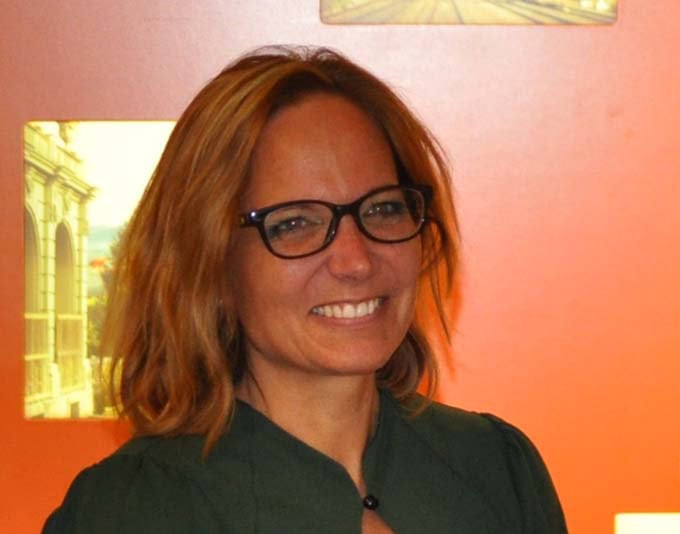
Carla Kaufmann is a lawyer, entrepreneur and managing director of GetDiversity and companymarket. She co-founded the umbrella organization for corporate succession (https://www.chdu.ch/ ) and is committed to sustainable corporate governance, diversity and the promotion of an empathetic leadership culture.
Ms. Kaufmann, you have been supporting company successions for many years. What is the most important skill for managers today?
Empathy. It is not a «soft» quality, but central to creating stability in an uncertain world. Today, leadership means bringing calm to the system, providing orientation and empowering people to get involved. Companies that have been around for a long time strike a balance between stability and disruption - they renew themselves without losing their identity.
You talk about stability through empathy. How does this affect quality and sustainability?
Quality and sustainability start with people. It arises where responsibility, mindfulness and purpose come together. We pay close attention to social skills when filling management positions. After a professional pre-selection, the focus is on who complements the existing team and who shares values. In this way, we avoid the risk of toxic leadership that destroys culture and performance.
You mentioned that companies need to learn how to deal with diversity. What role does diversity play?
A decisive one. Diversity makes organizations adaptable. Different perspectives promote innovation and the ability to learn. Switzerland is a good example of this - with four languages, different cultures and a high level of reflection. Diversity is not a trend, but a success factor: studies show that diverse companies achieve up to 19 percent better results.
How does this fit in with the circular economy, which is currently the subject of much discussion?
Very good. Circular thinking is a mindset, not a project. It means keeping resources, knowledge and relationships in circulation - in other words, thinking long-term. This is exactly what many Swiss family businesses have demonstrated for generations. They invest in quality, trust and cooperation, not just in growth. That is sustainable business.
You are committed to fair framework conditions for company succession. Why do you do this?
Because succession is the hidden growth opportunity of the Swiss economy. The federal government invests hundreds of millions in start-ups, but nothing in succession. Yet they secure jobs, know-how and regional structures. We need to bring the existing economic strength into the next generation - and not start from scratch every time. In 2020, we founded the umbrella organization for business succession (CHDU) to draw attention to the problem and opportunities.
What advice do you have for entrepreneurs and our members who want to prepare for the future?
Have courage. Get started. You don't always know the way, but standing still is not an option. Quality and sustainability require action, not just strategy papers. Those who lead people with empathy, who create structures with meaning and think in cycles will survive - economically, socially and in human terms.